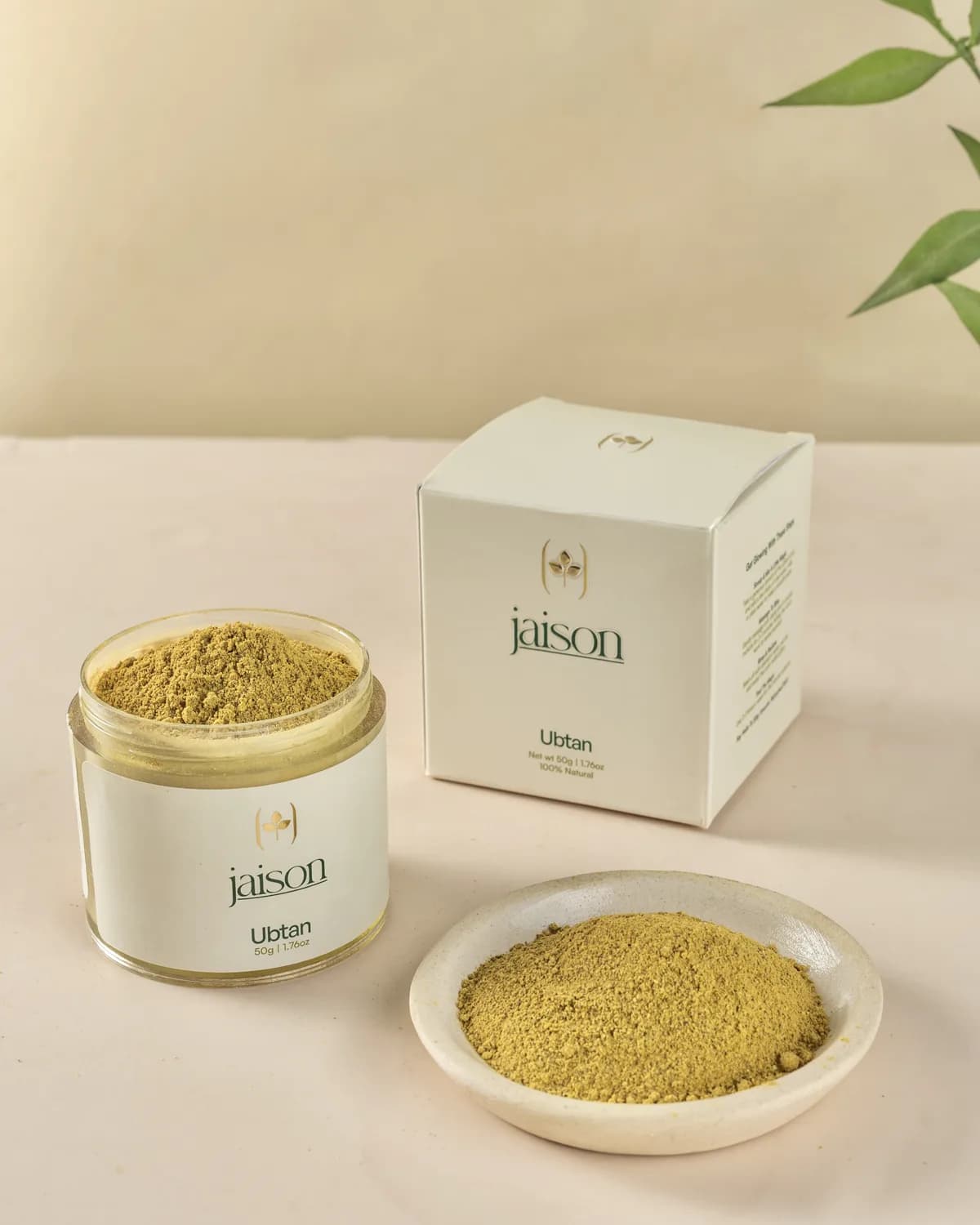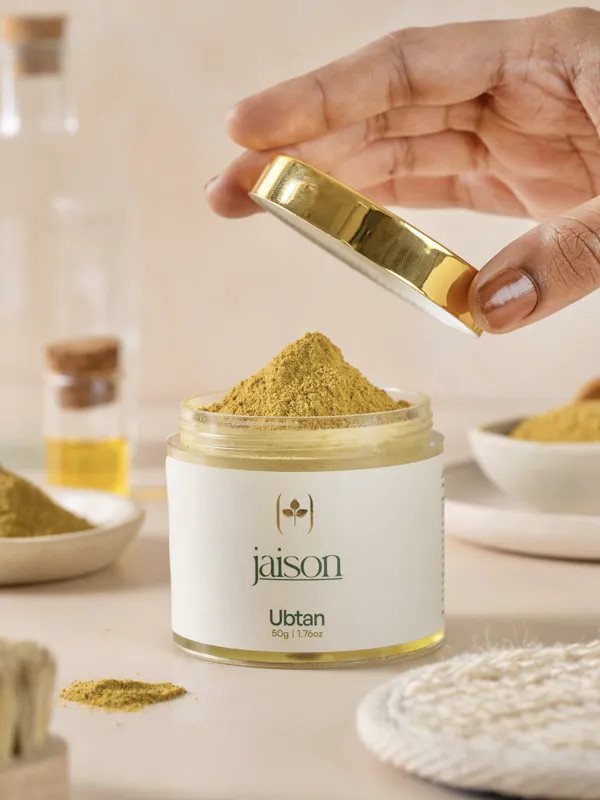
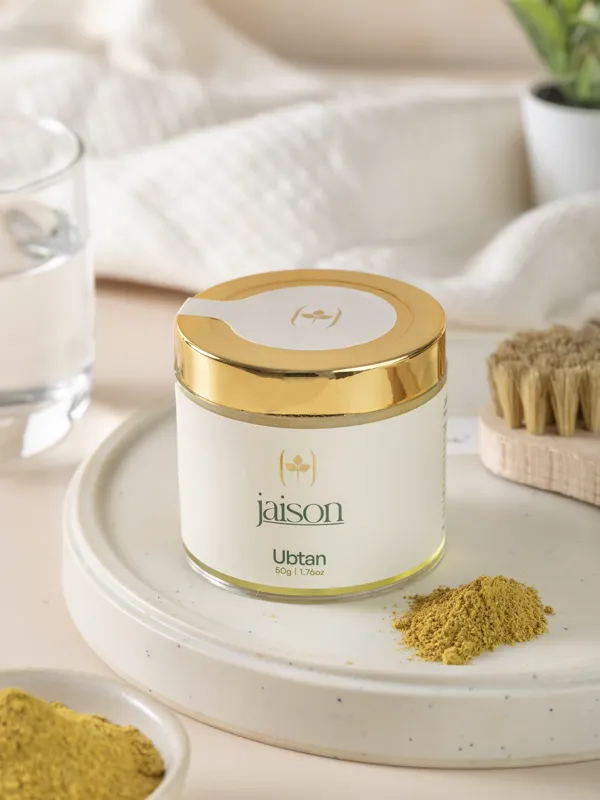
Ubtan is a traditional Ayurvedic blend of herbs — led by Kachora, Nagarmotha, Bakuchi, Orange Peel and Multani Mitti — used for centuries to brighten skin, remove sun tan, and exfoliate naturally. It combines gentle physical exfoliation with anti-inflammatory, astringent and antioxidant-rich plant compounds to deliver glowing skin without synthetic chemicals.
Key Takeaways
- ●Bakuchi (Psoralea corylifolia) contains psoralen — the same botanical family behind bakuchiol, often discussed as a natural retinol alternative
- ●Ubtan's natural AHAs from haritaki match the exfoliating class used in clinical-grade skincare
- ●Use 2-3 times weekly for visible brightness improvement within 3-4 weeks
Ubtan is one of India's oldest beauty rituals — a tradition passed down through generations of women who swore by its skin-brightening, tan-removing powers. Long before chemical peels and serums existed, Indian brides used ubtan to prepare their skin for the wedding day. Today, this ancient Ayurvedic remedy remains one of the most effective natural ways to achieve glowing, radiant skin.
What Is Ubtan?
Ubtan is a paste made from a blend of natural roots, rhizomes and herbs — Kachora, Nagarmotha, Bakuchi, Orange Peel, Multani Mitti, Haritaki and more. Unlike commercial face packs that rely on chemicals, ubtan works with your skin's natural biology — gently exfoliating dead cells, unclogging pores, and nourishing from within.
Traditional ubtan recipes vary from family to family, but the core principle remains the same: pure, natural ingredients that have been trusted for thousands of years.
Benefits of Using Ubtan on Your Skin
Brightens and evens skin tone — Kachora and Nagarmotha work together in ubtan to help reduce pigmentation and dark spots, revealing brighter, more even-toned skin with regular use.
Natural exfoliation — Multani Mitti and the astringent herbs in ubtan gently draw out impurities and lift away dead skin cells without the harshness of chemical scrubs.
Anti-ageing properties — Bakuchi in Jaison's ubtan formulation promotes collagen production, while haritaki provides natural AHAs that smooth fine lines.
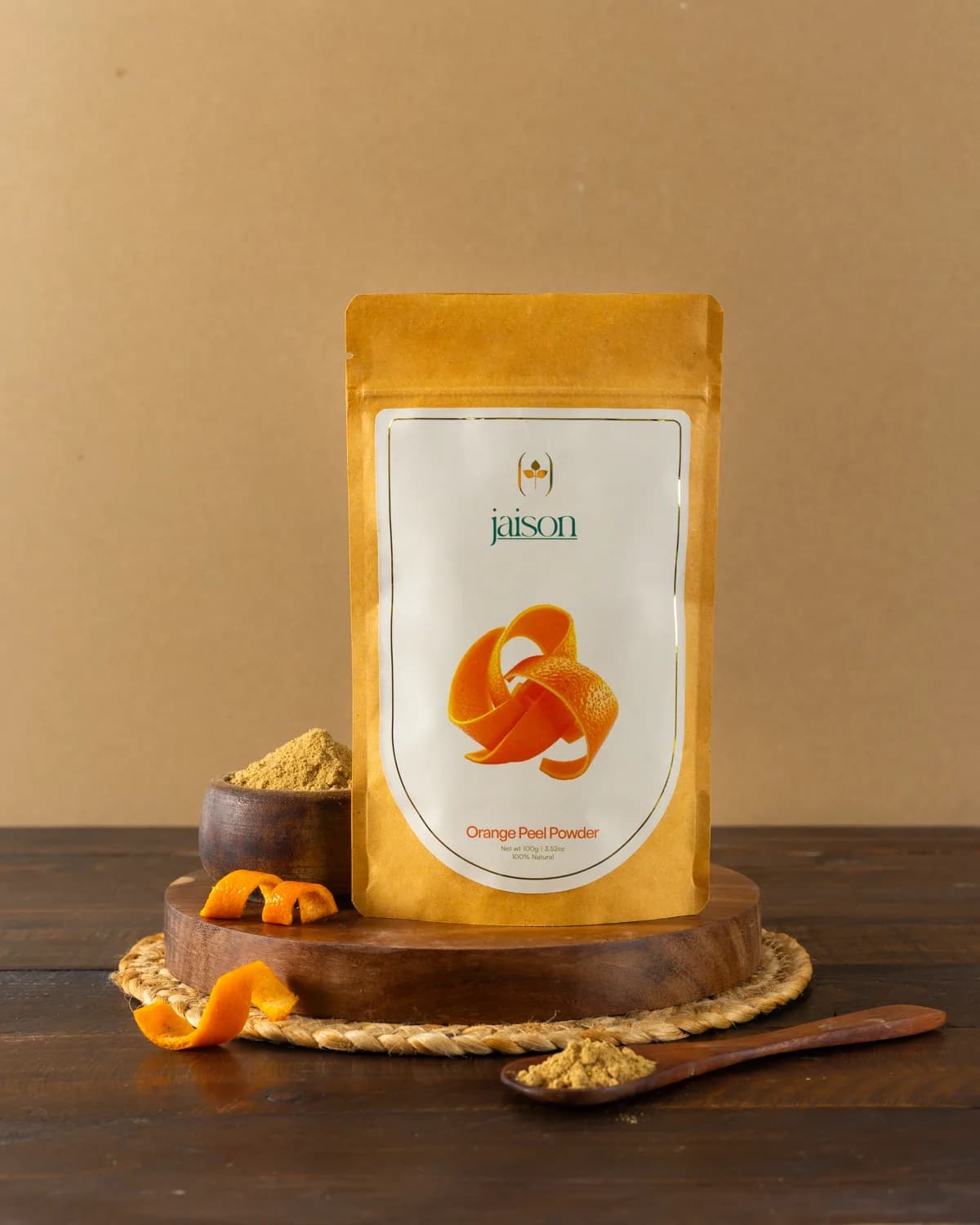
Reduces tan and sun damage — Ubtan is one of the most effective natural de-tanning treatments. Orange Peel's Vitamin C and Nagarmotha's astringent action work together to reverse sun damage over time.
Controls acne — The antibacterial properties of neem and bakuchi, combined with Multani Mitti's oil-absorbing action, make ubtan excellent for acne-prone skin.
The Science Behind Ubtan
Bakuchi (Psoralea corylifolia) in Jaison's ubtan blend contains psoralen — the same family of compounds behind bakuchiol, widely discussed as a natural retinol alternative. It's traditionally valued in Ayurveda for promoting a more even, youthful-looking skin tone.
Kachora (Curcuma zedoaria), the lead ingredient in our formula, is a wild turmeric relative long used in Ayurveda as a skin-brightening, anti-inflammatory rhizome — the aromatic backbone of the blend.
Nagarmotha (Cyperus rotundus) is prized for its cooling, astringent action. It helps tighten pores and calm irritated skin, while its purifying properties support a clearer complexion.
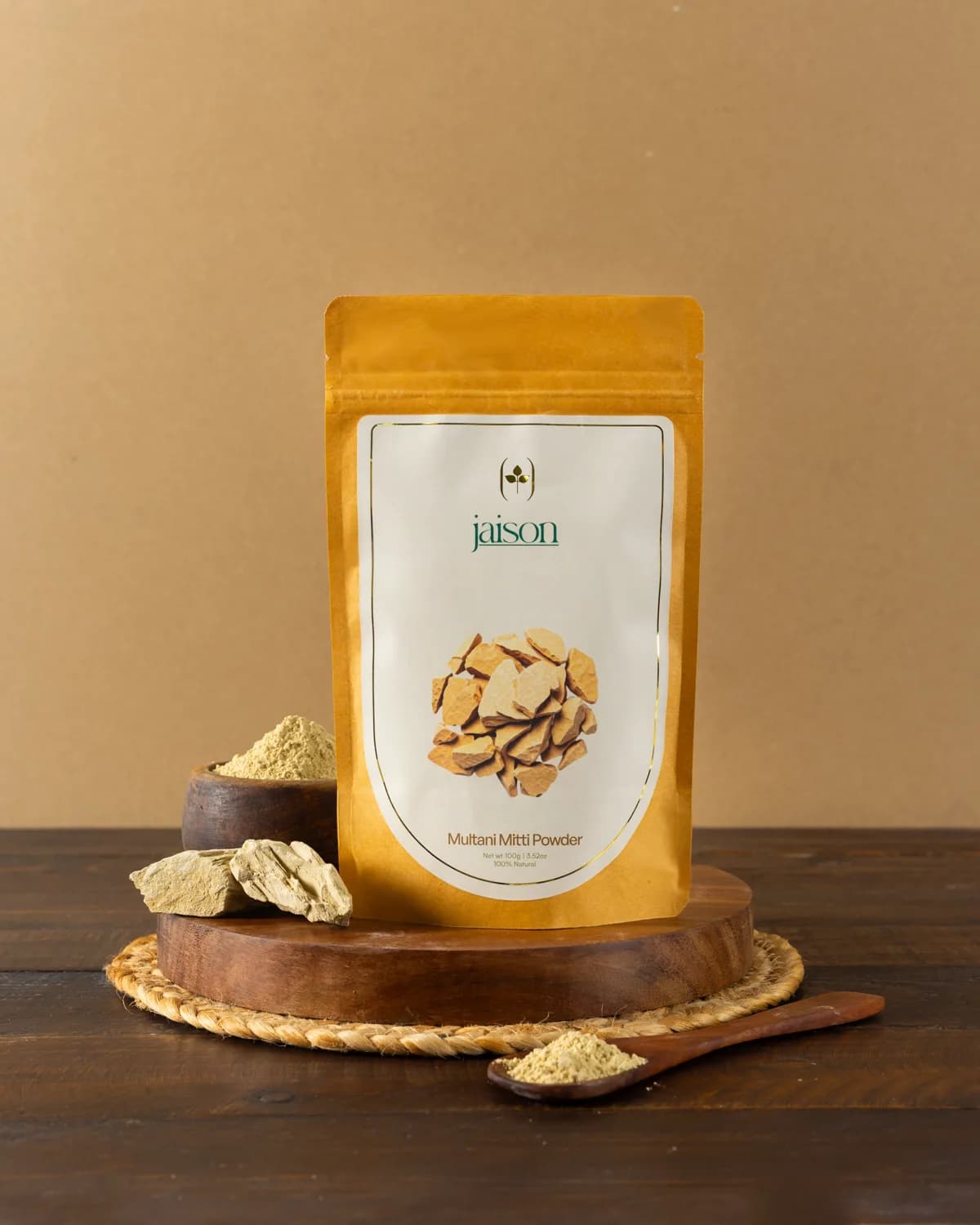
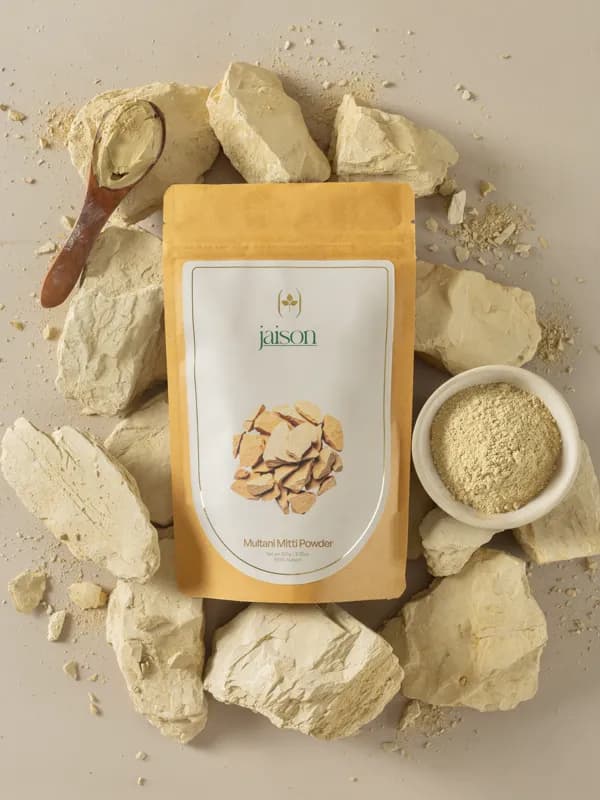
Multani Mitti (Fuller's Earth) is a mineral-rich clay that draws out excess oil and impurities without stripping the skin, giving ubtan its deep-cleansing character.
Haritaki rounds out the blend with natural alpha-hydroxy acids (AHAs), the same class of exfoliants used in clinical-grade skincare products, while Orange Peel contributes Vitamin C and antioxidants for brightening.
Worth noting: traditional ubtan recipes weren't random combinations. They were developed over centuries through careful observation of what worked, blending cooling, astringent and exfoliating herbs into one balanced formula.
How to Prepare Ubtan Face Pack
Basic Ubtan Face Pack (For All Skin Types)
- ●2 tablespoons ubtan powder
- ●Rose water (enough to make a paste)
- ●Mix well until smooth and lump-free
Ubtan for Dry Skin
- ●2 tablespoons ubtan powder
- ●1 tablespoon raw milk
- ●1 teaspoon honey
- ●Mix into a creamy paste
Ubtan for Oily & Acne-Prone Skin
- ●2 tablespoons ubtan powder
- ●1 tablespoon yogurt
- ●A few drops of lemon juice
- ●Mix well
Ubtan for Tan Removal
- ●2 tablespoons ubtan powder
- ●1 tablespoon tomato juice
- ●1 teaspoon honey
- ●Mix and apply generously on tanned areas
Step-by-Step Application Guide
Step 1: Cleanse your face with plain water to remove surface dirt and oil.
Step 2: Apply the ubtan paste evenly across your face and neck, avoiding the eye area.
Step 3: Let it sit for 15-20 minutes. You'll feel it tighten as it dries — this is normal.
Step 4: When it's semi-dry, gently scrub in circular motions. This is where the real exfoliation magic happens.
Step 5: Rinse off with lukewarm water. Pat dry with a soft towel.
Step 6: Follow with a light moisturiser if needed (though your skin will already feel incredibly soft).
How Often Should You Use Ubtan?
For best results, use ubtan 2-3 times a week. Consistency is key — most people notice a visible difference in skin brightness and texture within 2-3 weeks of regular use.
If you have sensitive skin, start with once a week and gradually increase frequency as your skin adjusts.
Tips for Maximum Results
- ●Always patch test before first use, especially if you have sensitive skin
- ●Use fresh paste each time — don't store mixed ubtan for later
- ●Apply on clean skin for better absorption of nutrients — a Multani Mitti deep-cleanse pack applied 30 minutes before ubtan opens pores and amplifies nutrient absorption
- ●Don't let it dry completely — semi-dry ubtan exfoliates better than fully dried
- ●Be consistent — natural remedies work gradually but deliver lasting results
Ubtan for Your Skin Type: Ayurvedic Approach
Ayurveda divides skin into three types based on dosha, and the right ubtan recipe differs for each. Getting this right makes a real difference in how your skin responds.
Vata skin (dry, thin, prone to flaking) needs extra nourishment. Add 1 tbsp raw milk and 1 tsp ghee to any ubtan recipe. Limit use to once a week. The milk fats prevent the clay base from over-drying an already dry skin type. Don't skip the moisturiser after.
Pitta skin (sensitive, prone to redness and inflammation) needs cooling. Use only rose water as your mixing liquid. Avoid lemon juice entirely. Add 1 tsp aloe vera gel for extra soothing. Apply for no more than 10 minutes, and rinse with cool (not warm) water.
Kapha skin (oily, thick, prone to congestion and blackheads) can handle more. Add 1 tbsp yogurt and a pinch of extra turmeric to boost oil-control. You can use ubtan 3x weekly. The lactic acid in yogurt complements ubtan's natural exfoliation without over-stripping.
Adapting Ubtan Across Indian Seasons
India's seasons demand different skincare, and ubtan adjusts beautifully to each.
Summer calls for a lighter application. Thin the paste with cucumber juice or extra rose water. Use in the evening after sun exposure to soothe skin and reverse the day's tan. Daily use is fine in summer since sweating and oil production are at their highest, and ubtan handles both.
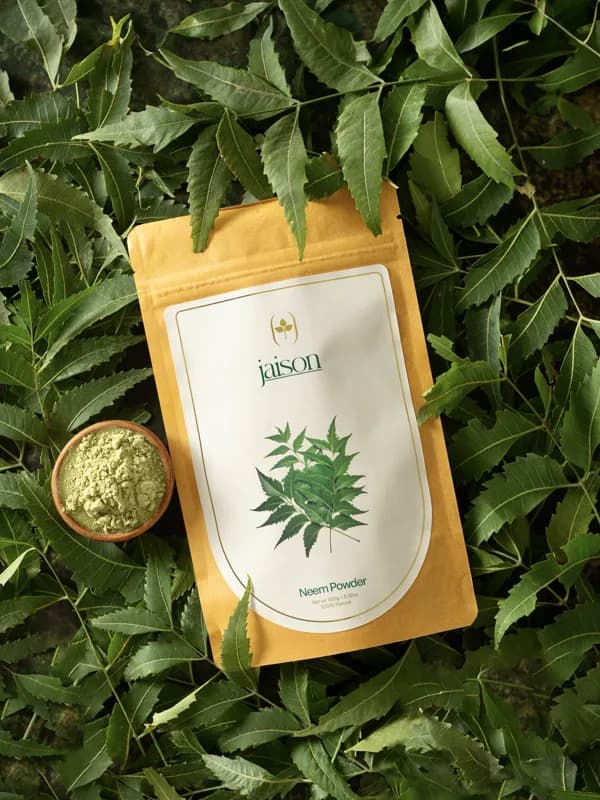
Monsoon demands antibacterial reinforcement. Add a pinch of neem powder to any ubtan recipe. Humidity-related fungal and bacterial activity spikes in the monsoon months, and neem's antimicrobial properties protect against the breakouts that tend to accompany this season.
Winter needs richer treatment. Replace water with warm milk, or add 1 tsp coconut oil to the paste. Reduce frequency to twice a week in cold months. Always follow with a light moisturiser since the air pulls moisture out faster than any other season.
Frequently Asked Questions About Ubtan
Can I use ubtan every day?
Daily use suits oily and normal skin types in summer. Dry or sensitive skin should stay at 2-3 times a week. Ubtan's exfoliating action can over-strip dry skin with daily use. Start twice weekly, watch how your skin responds, and adjust from there.
Will ubtan remove my tan permanently?
Ubtan addresses existing tan by exfoliating tanned skin cells and inhibiting new melanin production. But if you continue going out in the sun without sunscreen, the tan will come back. Pair ubtan consistently with daily SPF 30+ for results that actually last. Most people see significant tan reduction within 3-4 weeks of this combined approach.
Can I apply ubtan on my body, not just my face?
Absolutely. Ubtan's traditionally applied to the whole body, especially before events like weddings. The same recipes work for body application. Just mix a larger quantity and focus on areas prone to tan: neck, arms, legs, knees, and elbows, which tend to be noticeably darker.
My ubtan left a light tint on my skin. Is that normal?
Yes. Some of the herbs in ubtan, like Kachora and Haldi, carry a natural earthy pigment that can leave a very light, temporary tint on the skin. It typically fades within 30-60 minutes of rinsing. Rinse thoroughly with plain water — a light moisturiser afterwards helps it fade faster if any tint lingers.
Can men use ubtan?
Ubtan has no gender-specific application. In traditional Ayurvedic culture, it was used by both men and women. It's particularly effective for men dealing with tan on arms, neck, and face from outdoor exposure, and for controlling post-shaving inflammation. The antibacterial properties also help with ingrown hair irritation.
Why Choose Jaison's Ubtan Powder?
Our ubtan is crafted from a traditional Ayurvedic recipe featuring Kachora, Nagarmotha, Bakuchi, Orange Peel, Multani Mitti, Haritaki and more — naturally sun-dried herbs, flowers, fruits and seeds. Every ingredient is 100% natural with zero chemicals, ensuring your skin gets only the purest care. Each batch is carefully processed to preserve the potency of every herb.
Ubtan isn't just a face pack — it's a self-care ritual that connects you to centuries of Indian beauty wisdom. It works best as the weekly exfoliating step in a complete Ayurvedic skincare routine — the brightening anchor in any natural skin regimen. Give your skin the gift of this ancient tradition, and watch it thank you with a natural, healthy glow.
Shop the Ingredients
The herbs from this article, sourced and processed for your ritual.